The importance of the second electricity interconnection between Greece and Bulgaria for strengthening the electricity network and the electricity market in Southeast Europe was highlighted during the special event for the official inauguration of the project, which took place in the framework of the CESEC (Central and South Eastern Europe Energy Connectivity) Ministerial Conference held in Athens.
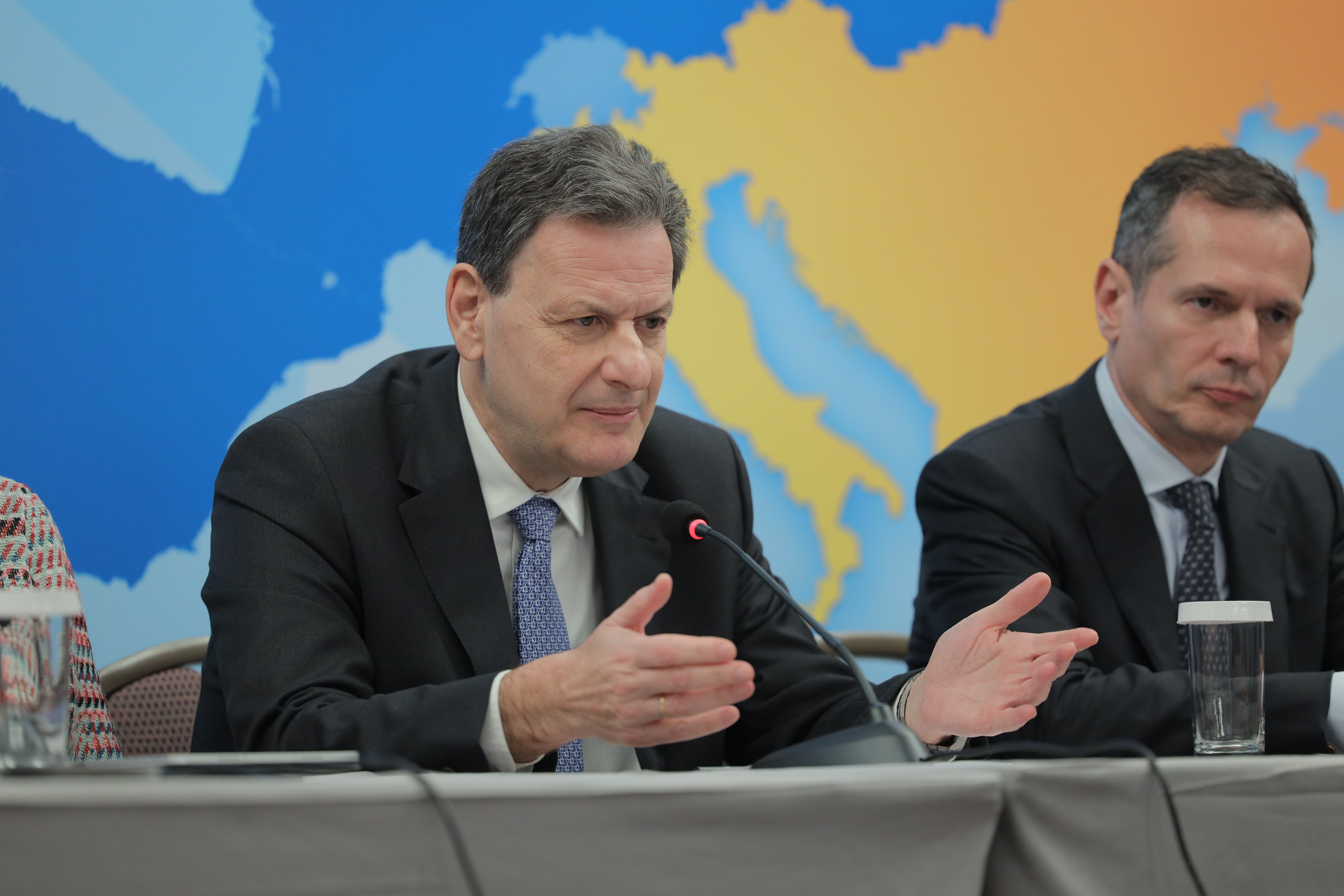
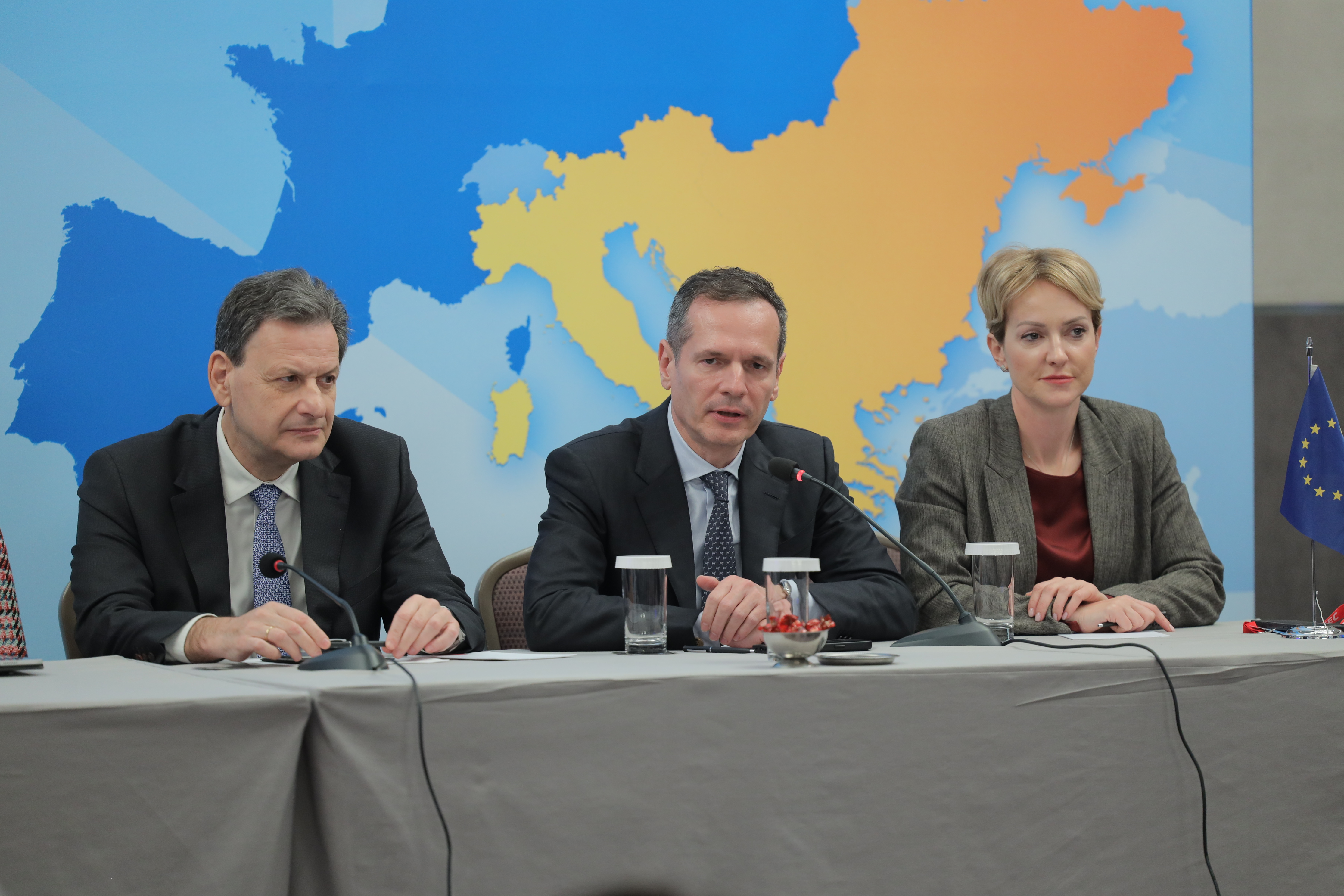
The Minister of Environment and Energy of Greece, Theodore Skylakakis, the Minister of Energy of Bulgaria, Rumen Radev, Energy Commissioner Kadri Simson, the Chairman and CEO of Independent Power Transmission Operator (IPTO), Manos Manousakis, and the CEO of the Bulgarian Transmission System Operator ESO EAD Angelin Tsachev delivered greetings. The event was also attended by the Deputy Minister of Environment and Energy of Greece Alexandra Sdoukou, the Deputy Minister of Energy of Bulgaria Iva Petrova, and the Head of the Directorate-General for Energy of the European Commission Ditte Juul Jorgensen.
The second 400 kV Ultra-High Voltage Transmission Line (New Santa-Maritsa East) interconnecting the two countries became operational last summer, significantly increasing the scope for energy exchanges between the neighboring systems of Greece and Bulgaria and upgrading the potential for cross-border trade and energy security in SE Europe and the Balkans.
The Minister of Environment and Energy, Theodore Skylakakis, said: "Due to the climate crisis, the green transition cannot and will not be halted under any circumstances. With the second interconnection between Greece and Bulgaria, the maximum nominal energy exchange margin between the two countries now amounts to 1.7 GW. This is the largest interconnection with any other neighboring country and demonstrates the importance of this new infrastructure, one of the most beneficial shared by the two countries. The value of the new interconnection is very high. I am very pleased to have had this extremely close cooperation with our friends and partners from Bulgaria. We will move forward as quickly as possible in every aspect and will work together in the coming years to create economic, environmental, and social benefits through our energy initiatives. In the future we envision a new 2 GW DC interconnection between Greece and Bulgaria, which will transfer even larger amounts of green energy from Greece, but also electricity from the Bulgarian side."
Bulgarian Energy Minister Rumen Radev stated: "Today is a very important moment. The largest interconnection between Greece and Bulgaria, the second ultra-high voltage line, is now a reality. We will continue to work together to interconnect as much as possible, with a common vision of enhancing energy security, clean electricity and supporting the decarbonization goals not only of our countries but also of the wider region. Congratulations to the Operators of both countries for the excellent cooperation and timely completion of the project."
European Union Energy Commissioner Kadri Simson said: "The completion of the Greece-Bulgaria electricity interconnection is an important milestone for the diversification of energy sources, the deepening of the EU electricity market and the decarbonization of Greece and Bulgaria. Given Greece's potential to become an important source of "green" energy and confident that this interconnection will bring long-term benefits to the whole region, as it is a remarkable achievement of regional cooperation between CESEC countries and another success story for the EU's infrastructure policy. The investment benefited from financial support of almost €29 million from the EU Connecting Europe Facility. I would like to congratulate the TSOs, the Regulatory Authorities and the Governments of Greece and Bulgaria for their effective cooperation."
The Chairman and CEO of IPTO, Manos Manousakis, emphasized: "Today we are launching an important Project of Common Interest implemented with funding from the European Commission. With the new electricity interconnection between Greece and Bulgaria we have now increased by 500 MW the scope for energy exchanges between the two countries. For Greece this means that we will import cheap energy and in the medium-term we will export even more green energy as domestic penetration of renewable energy sources increases. Since our markets are coupled, this will be mutually beneficial to promote clean energy in the region. We have developed close synergies with the ESO EAD, which extend beyond the Energy sector to Telecommunications. In the midst of an energy transition, cooperation between the Operators needs to be intensified. That is why we are particularly pleased that our cooperation with the Bulgarian Operator is exemplary of how we should move forward at the regional level."
ESO EAD President and CEO Angelin Tsachev stated: "Following the successful commissioning of the Maritsa East - New Santa line, we have two cross-border power transmission lines in operation, resulting in improved connectivity and increased capacity. The expanded capabilities of ESO's and IPTO's electricity transmission infrastructure are diversifying our operations. They also enable us to offer telecommunications services to our customers."
The second interconnection between Greece and Bulgaria is a project of pan-European interest that was included from the beginning of its planning in the Ten-Year Development Programme (TYNDP) of ENTSO-E and in the list of Projects of Common Interest (PCI) of the European Union, drawing funding from the Connecting Europe Facility (CEF).
 Dyrrachiou 89 & Kifissou, 104 43 Athina
 +30-210-5192101